Sak Yant Tattoos in Chiang Mai: Complete Guide to Meanings, Rituals & Best Ajarns (2026)
The chanting begins before you fully understand what's happening. A man — calm, unhurried, eyes half-closed — recites ancient Pali syllables over your skin. The bamboo rod descends in a slow, deliberate rhythm. And somewhere between the sound and the sensation, something begins to shift: your body softens, your breath deepens, and you realize this is not a tattoo appointment. It's a ceremony.
Sak Yant tattoos are sacred geometric designs hand-poked into the skin by trained spiritual masters called Ajarns, combining Buddhist and Hindu tradition into an art form that has existed in Southeast Asia for over a thousand years. In Chiang Mai — the cultural capital of northern Thailand — you can receive one as a traveler, if you approach it with the respect it deserves.
This guide covers everything: what the symbols mean, what the ceremony actually feels like, where to go, how much to budget, and how to do all of it with cultural integrity.
Key Takeaways
- Sak Yant means "sacred geometric tattoo" — "sak" (to tattoo) and "yant" (yantra, a Sanskrit term for mystical diagram)
- Designs are hand-poked using a bamboo stick or metal rod, not a machine
- Each design carries specific spiritual meaning — protection, mercy, charisma, prosperity
- Chiang Mai offers three tiers of experience: temple walk-ins (฿1,750–฿5,250 (~$50–$150 USD)), established operators (฿10,500–฿14,000+ (~$300–$400+ USD)), and private masters (฿14,000–฿35,000+ (~$400–$1,000+ USD))
- The full ceremony — consultation, blessing ritual, tattooing, meal, and post-ceremony chanting — typically takes 3–5 hours
- Cultural etiquette matters: dress modestly, arrive with respect, and don't treat it as a novelty
- Book 1–2 weeks in advance; peak season (November–February) requires 2–4 weeks
What Is a Sak Yant Tattoo?
A Sak Yant is a sacred tattoo created by a spiritual master, not just a tattoo artist. The word breaks down simply: "sak" means to tattoo or tap, and "yant" derives from the Sanskrit word "yantra," referring to a mystical geometric diagram used as a tool for meditation and spiritual protection.
These are not decorative tattoos. Each design is a compressed prayer — a geometric container for mantras, protective syllables, and spiritual intention. The master who applies it is believed to channel that intention directly into the ink through years of meditation practice and spiritual training. Many Ajarns are former monks. Some have practiced for decades.
The technique itself is ancient: a long bamboo stick or metal rod with a sharpened tip, dipped in sacred ink, tapped methodically into the skin. No electric machine. The rhythm is slower, more deliberate, and for many people, more meditative than a conventional tattoo session.
Scripts vary by region and master. In Chiang Mai, you'll encounter Khmer script (the most common in northern Thailand), Lanna script (the ancient script of the Lanna Kingdom), Thai script, and sometimes Sanskrit or Burmese. Each carries its own lineage and meaning.
Sak Yant Meanings and Designs Explained
Understanding what you're asking for — before the bamboo touches your skin — is part of respecting the tradition. Here are the most significant designs you'll encounter:
Hah Taew (5 Lines)
The most commonly requested design for first-timers. Five rows of Khmer script, each line a distinct blessing: preventing unjust punishment, reversing misfortune, protecting against black magic, bringing good fortune and success, and boosting charisma. Made famous in the West by Angelina Jolie, who received one from a renowned Ajarn in Cambodia.
Gao Yord (9 Peaks)
Considered the most sacred of all Sak Yant designs. Nine peaks or spires represent the nine summits of Mount Meru, the sacred mountain at the center of Buddhist cosmology. The nine sacred syllables within it are said to offer comprehensive protection. Often placed on the back of the neck or upper back.
Paed Tidt (8 Directions)
Eight Yant arranged in a circular pattern, each facing one of the eight cardinal and intercardinal directions. Meant to protect the wearer from danger no matter which direction they travel. Practical, in the most spiritual sense of the word.
Suea (Tiger)
A pair of tigers flanking a central Yant, representing power, authority, and fearlessness. Popular with those who need courage — in business, in relationships, in moments of uncertainty.
Hanuman
The monkey god of Hindu mythology, absorbed into Thai Buddhist tradition as a symbol of strength, loyalty, and invincibility. Often chosen by those who feel they need protection in unpredictable environments.
Custom Designs
An experienced Ajarn — particularly one fluent in multiple scripts — can create a design specific to your intention, combining Khmer, Lanna, and Thai elements. This is where the real artistry lives. If you know what you need, tell the master. They'll translate that into form.
A note on placement: The back and upper back are the most spiritually significant locations. The chest is common for protective designs. Arms and legs are acceptable but carry less spiritual weight in traditional belief. Below the waist is generally reserved for specific purposes and should be discussed with your Ajarn.
The Sak Yant Ceremony and Ritual Experience
What separates a Sak Yant from any other tattoo is not the technique — it's what surrounds it.
Before the Session
You'll be asked to wear modest, respectful clothing: long pants or a skirt, covered shoulders. Avoid alcohol for 24 hours before. Eat lightly. Some travelers meditate in the morning to arrive centered. This isn't required, but it changes the quality of the experience.
Arrival and Consultation
You'll discuss the design with the Ajarn — what you're seeking, what's present in your life, what protection or intention feels relevant. The master may ask questions. They may choose the design for you based on what they perceive. This is normal. It is part of their role.
The Blessing Ritual
Before any ink touches your skin, the master performs a ritual of spiritual activation — chanting Pali mantras, sometimes burning incense, sometimes passing sacred objects over your body. The air changes. The pace of everything slows.
According to a review of Ajarn Tu's sessions on TripAdvisor: "The power of the Sak Yant is invoked by the Sak Yant master, and he must learn and practice meditation techniques his whole life to harness the magic used for the sacred blessing." Whether you hold a Buddhist belief or not, the sincerity of that practice is undeniable in the room.
The Tattooing
The bamboo rod descends in a rhythmic tap, tap, tap. It's precise. The pain is present but manageable — most people describe it as sharper than a machine in the moment but with less irritation afterward. A small design takes 20–30 minutes. A complex back piece may take 90 minutes or more.
Post-Ceremony
After the tattoo, additional chanting seals the blessing into the design. Many full-experience operators include a shared meal — a gesture of hospitality and community. Final blessings are offered. You leave differently than you arrived.
The full experience — from arrival to departure — runs 3–5 hours. Block the day. Don't schedule anything demanding afterward.
Best Sak Yant Masters and Operators in Chiang Mai
Chiang Mai's Sak Yant scene ranges from sacred to scammy. Here's a curated breakdown of what's actually worth your time and money.
Where Sidewalks End — Best Overall for First-Timers
Operating since 2013, Where Sidewalks End is the most established and trusted tour operator for Sak Yant experiences in Chiang Mai. They work with vetted masters, provide full cultural context, include hotel pickup and drop-off, and offer a meal as part of the experience. English-speaking guides explain every element of the ceremony. Transparent pricing with no hidden costs.
Best for: First-time visitors, couples, English speakers, anyone who wants safety and authenticity without compromise.
Price range: ฿10,500–฿14,000+ (~$300–$400+ USD)
Booking: wheresidewalksend.com — book 1–2 weeks ahead, 2–4 weeks in peak season.
Ajarn Tu Na Metta — Best for Design Depth and Luxury
A private master fluent in Khmer, Lanna, Thai, and Burmese scripts. Former monk. Decades of experience. Ajarn Tu offers private sessions with custom design consultations, extended ceremony, and a level of personalization that tour operators simply can't replicate. If you're adding to an existing Sak Yant collection, or if you have a specific vision, he's the one to see.
Best for: Luxury travelers, repeat visitors, spiritual seekers with clear intentions.
Price range: ฿10,500–฿28,000+ (~$300–$800+ USD)
Booking: WhatsApp or Facebook referral — book 3–4 weeks ahead.
Temple Walk-Ins — Best Budget Option
Some temples in the suburban areas outside Chiang Mai's Old City offer direct Sak Yant sessions with resident masters. No middlemen, no tour operator markup. The experience is more raw and immediate — but also less guided. As Nomad Saurus notes about temple walk-ins: "You will not be given any context to what the Sak Yant tattoo means, and the cleanliness and quality of work cannot be guaranteed."
Best for: Experienced travelers, spiritual seekers comfortable with uncertainty, budget-conscious visitors.
Price range: ฿1,750–฿5,250 (~$50–$150 USD)
Booking: Walk-in; best early morning (6–9 AM).
Comparison at a Glance
| Option | Price Range | Ceremony | English Support | Booking Needed |
|---|---|---|---|---|
| Where Sidewalks End | ฿10,500–฿14,000+ (~$300–$400+ USD) | Full (3–5 hrs) | Yes | 1–2 weeks |
| Ajarn Tu Na Metta | ฿10,500–฿28,000+ (~$300–$800+ USD) | Extended private | Limited | 3–4 weeks |
| Temple Walk-In | ฿1,750–฿5,250 (~$50–$150 USD) | Minimal | Rarely | Walk-in |
| Mid-range independent | ฿3,500–฿10,500 (~$100–$300 USD) | Standard | Basic | 1–2 weeks |
Red flags to avoid: Masters who push you toward expensive add-ons, studios with no visible sterilization equipment, operators with no online presence or reviews, anyone who promises guaranteed spiritual results. A legitimate Ajarn never overpromises.
Sak Yant Pricing in Chiang Mai (2026)
Costs have risen modestly since 2023 — expect 10–15% higher than older blog posts suggest. Here's the honest breakdown:
Budget tier (฿1,750–฿5,250 (~$50–$150 USD)): Temple walk-ins, minimal ceremony, basic designs. Authentic in setting but with variable hygiene and no cultural context provided. Best for experienced travelers who know what they want.
Mid-range tier (฿10,500–฿14,000+ (~$300–$400+ USD)): Established operators like Where Sidewalks End. Full ceremony, vetted masters, English guidance, meal included, hotel pickup. The best value for most travelers — you pay for safety, context, and quality of experience.
Luxury tier (฿14,000–฿35,000+ (~$400–$1,000+ USD)): Private masters, custom designs, extended ceremony. Ajarn Tu and similar figures operate here. The price reflects decades of expertise, personalized attention, and a session that cannot be replicated.
What affects price: Master's reputation, design complexity and size, session duration, ceremony elaborateness, and whether you're booking directly or through an operator.
Hidden costs to anticipate: Transportation to suburban temples (Grab or tuk-tuk, ฿70–฿350 (~$2–$10 USD)), a customary tip for the master (culturally appropriate, not mandatory), and aftercare supplies.
Bring cash. Many masters don't accept cards.
Where to Get a Sak Yant Tattoo in Chiang Mai
Geography shapes the experience as much as the master does.
Old City: Most convenient for first-timers. Walkable, tourist-friendly, close to hotels and restaurants. Tour operators like Where Sidewalks End organize pickups from here. Slightly more polished, slightly less raw.
Nimman District: Chiang Mai's modern hub — coffee shops, co-working spaces, the digital nomad ecosystem. Some contemporary studios operate here. Good for those who want modern facilities and spontaneous scheduling.
Suburban Temple Areas (15–30 min from Old City): Where the most traditional experiences live. Quieter, more sacred, less touristy. Requires transport — Grab or a negotiated tuk-tuk. Worth the effort for spiritual seekers. The atmosphere alone is different from anything in the city center.
Riverside: Peaceful setting near the Ping River. Fewer options, but a beautiful backdrop for the day surrounding your appointment.
For most travelers, the practical answer is: book through Where Sidewalks End or directly with Ajarn Tu, and let the operator handle the geography. If you want to find your own temple, ask at your hotel or hostel for a local recommendation — monk referrals are the gold standard.
How to Book a Sak Yant in Chiang Mai
Step 1 — Research the design. Know what you want to receive and why before you arrive. This is not a decision to make on the spot.
Step 2 — Choose your approach. Tour operator for safety and structure, private master for depth and customization, temple walk-in for directness and budget.
Step 3 — Book in advance. November through February is peak season — book 2–4 weeks ahead. Shoulder seasons (March–May, September–October) allow 1–2 weeks. Low season (June–August) is easier to book and may offer better availability.
Step 4 — Confirm 2–3 days before. A quick message prevents misunderstandings and confirms logistics.
Step 5 — Prepare. Sleep well the night before. Eat light. Avoid alcohol for 24 hours. Wear loose, modest clothing. Bring cash.
Booking checklist — questions to ask any operator or master:
- Can I see your portfolio of recent work?
- Do you use single-use needles or freshly sterilized equipment?
- Is the ceremony included or additional?
- What is the all-inclusive price — no surprises?
- Can I request a specific design or meaning?
- Do you provide aftercare instructions?
Pain, Healing, and Aftercare
Pain level: Comparable to a regular tattoo, though many people find hand-poked work a different sensation — more a sharp pressure than a buzz. Individual variation is high. Bony areas (spine, ribs) hurt more. Fleshy areas (upper arm, thigh, upper back) are more forgiving.
Healing timeline: Most Sak Yant tattoos heal in 2–4 weeks, similar to machine tattoos. Some people report faster healing — possibly because the hand-poked technique creates less lateral tissue damage.
Aftercare basics:
- Keep the tattoo clean and dry for the first 48 hours
- Apply a thin layer of fragrance-free moisturizer from day two
- Avoid direct sun for two weeks
- No swimming or soaking for two weeks
- Wear loose clothing that doesn't rub the area
Follow your Ajarn's specific instructions above all else. Some masters use traditional sacred ink with herbal properties; their aftercare guidance reflects that.
Cultural Etiquette and What to Respect
Sak Yant is not a souvenir. It is a spiritual commitment made through a living tradition. Approaching it that way — not as a party activity, not as a novelty photo — is both respectful and practically important. Ajarns notice the difference, and it shapes the quality of what they give.
Dress: Long pants or skirt, covered shoulders. Remove shoes in temple areas.
Behavior: Arrive on time. Follow the master's instructions without question. Don't raise your voice. Don't point your feet toward the Ajarn, Buddha images, or altars. Don't touch monks.
Photography: Always ask before photographing the ceremony. Some masters permit it; many do not during the sacred portions. Respect the answer.
Post-tattoo: Traditional belief holds that Sak Yant offers protection to those who live with good intention and ethical behavior. You don't need to be Buddhist for this to feel meaningful. The invitation is to live with more care, not less.
Common mistakes to avoid: Choosing based on price alone. Rushing the experience. Getting a design you haven't researched. Treating the Ajarn as a service provider rather than a spiritual teacher. Walking into a temple in shorts and a tank top.
Experience Baptiste Excelsia's Chiang Mai
Sak Yant is one thread in a much richer tapestry available to you in Chiang Mai — and some of the most transformative experiences here don't involve ink at all.
Baptiste Excelsia is a French holistic healer based in Chiang Mai who creates immersive experiences for travelers who want depth, not distraction. If your Sak Yant ceremony opened something in you — a quieter attention, an appetite for meaning, a sense that this trip could be more than sightseeing — his work continues that thread.
Sound Healing Under the Stars — A floating sound journey in a quiet pool beneath the night sky. Gongs, ocean drums, Tibetan bowls. The vibrations soften the nervous system in a way that's difficult to describe and impossible to forget. Many people say it's the most quietly powerful thing they experience in Chiang Mai.
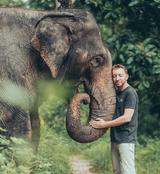
Ethical Elephant Retreats — One-day and multi-day retreats at an ethical sanctuary near the city. No riding, no performing, no forced interaction — only respectful presence with elephants in nature. People leave grounded, lighter, more connected to something essential.
Private Transformation Sessions — A 1-on-1 session with Baptiste over tea in a peaceful garden. Deep conversation, emotional clarity work, intuitive guidance. Especially valuable if you're in transition, carrying something heavy, or simply ready to see something more clearly.
Explore Baptiste Excelsia experiences →
Not traditional tourism. An experience of reconnection.
Frequently Asked Questions
What does a Sak Yant tattoo mean?
A Sak Yant is a sacred geometric tattoo rooted in Buddhist and Hindu spiritual tradition. Each design carries specific meaning — protection from harm, mercy, good fortune, charisma, or power — encoded in ancient Pali or Khmer mantras within the geometric pattern. The meaning is activated through the ceremony performed by the Ajarn, not just the ink itself.
How much does a Sak Yant tattoo cost in Chiang Mai?
Prices in 2026 range from ฿1,750–฿5,250 (~$50–$150 USD) for a basic temple walk-in, ฿10,500–฿14,000+ (~$300–$400+ USD) for a full-experience operator like Where Sidewalks End, and ฿14,000–฿35,000+ (~$400–$1,000+ USD) for a private session with a master like Ajarn Tu. Factors include design complexity, session duration, ceremony depth, and whether you book direct or through an operator.
Is it safe to get a Sak Yant tattoo?
With the right operator, yes. Established operators use single-use needles and sterilized equipment. Temple walk-ins carry more variable hygiene standards. Always ask to see the needle being opened, confirm sterilization practices, and inspect the studio before committing. If anything feels off, leave.
Can I get a Sak Yant tattoo if I'm not Buddhist?
Yes. Many non-Buddhist travelers receive Sak Yant with great meaning and respect. What matters is your intention and your approach — arriving with genuine curiosity and cultural respect, not treating it as a novelty experience. The spiritual protection is traditionally tied to ethical living, not specific religious belief.
What should I wear to a Sak Yant ceremony?
Long pants or a skirt, and a shirt that covers your shoulders. Avoid shorts, tank tops, and revealing clothing. Remove your shoes when entering any temple area. Modest, comfortable clothing that allows easy access to the area being tattooed is ideal.
How long does a Sak Yant tattoo take?
A small design takes 20–30 minutes of tattooing. A full-experience session — including consultation, blessing ritual, tattooing, post-ceremony chanting, and meal — runs 3–5 hours. Block the entire day and arrive without other plans.
Last updated: May 2026
Sources
- My own experience!
- Where Sidewalks End — Sak Yant Chiang Mai
- TripAdvisor — Chiang Mai Sak Yant Tattoo By Ajarn Tu (2026)
- Nomad Saurus — How to Get a Sak Yant in Chiang Mai (2026)
Baptiste Excelsia