Temple Etiquette in Chiang Mai: The Essential Guide for Western Visitors
You step through a carved wooden gate. The city noise drops away. Incense drifts in slow spirals. A monk passes in saffron, eyes lowered, unhurried. And then — a hand on your shoulder. A temple guard. Pointing at your shorts.
It's one of the most common moments Western visitors wish they could undo. Not because the rules are strict, but because they didn't know. And because these places deserve better than a distracted stumble through them.
Temple etiquette in Chiang Mai is the set of respectful behaviors expected of all visitors at Buddhist temples (wats) — covering dress, movement, gesture, and silence. Getting it right doesn't just keep you out of trouble. It opens something. The temples feel different when you arrive prepared, present, and genuinely respectful.
This guide gives you everything you need — what to wear, what to do, which temples to visit, and how to experience Chiang Mai's sacred spaces the way they were meant to be experienced.
Key Takeaways
- Cover shoulders and knees — this is non-negotiable at every temple in Chiang Mai
- Remove shoes before entering any temple building — always
- Never point your feet at a Buddha statue or monk — it's considered deeply disrespectful
- Women must not touch or hand objects directly to monks
- The Wai (hands pressed together, slight bow) is the greeting — use it freely
- Arrive between 8–11 AM or 4–6 PM for the best atmosphere and fewest crowds
- Fines for immodest dress have been enforced since 2023 — 500 to 2,000 THB at major wats
- 300+ temples exist in Chiang Mai — each one a little different, all worth your respect
Why Temple Etiquette Matters in Chiang Mai
Chiang Mai is home to more than 300 Buddhist temples, most of them active places of worship, not museum pieces. The monks who live there are not performers. The rituals you may witness — morning chants, alms-giving, meditation — are real spiritual practice. When you enter these spaces, you're entering someone's home, someone's sanctuary.
Theravada Buddhism, which is practiced throughout Thailand, places enormous value on mindfulness, presence, and right conduct. According to the Tourism Authority of Thailand, disrespectful behavior at sacred sites is among the most common sources of cultural friction between locals and foreign visitors. Since 2023, enforcement has increased significantly — some temples now use gate cameras to check dress codes before entry.
This isn't about fear of fines. It's about this: the more you respect the space, the more the space gives back to you. These temples are extraordinary. Walking into one properly prepared — covered, quiet, present — is a different experience entirely from walking in distracted and underdressed.
Dress Code for Chiang Mai Temples: What to Wear
The dress code is the same across all of Chiang Mai's wats, enforced strictly at major temples and applied by custom everywhere else.
The core rule: shoulders covered, knees covered. That's it.
| Body Area | Requirement | Notes |
|---|---|---|
| Shoulders | Must be covered | Sleeveless tops not permitted |
| Knees | Must be covered | Shorts, mini skirts not permitted |
| Feet | Shoes removed at temple buildings | Sandals are fine to wear in temple grounds |
| Head | Hats removed before entering shrines | Outdoors is fine |
| General | Avoid tight or revealing clothing | Loose, breathable fabrics are ideal |
What to pack: A lightweight scarf or sarong is your best friend. Fold it in your bag. It covers shoulders when draped and wraps as a skirt when needed. Sarongs are also available for rent at most major temples — typically 50 to 100 THB — but having your own means never being turned away.
Good choices: linen trousers, midi skirts, loose shirts, maxi dresses. Colors don't matter — white is fine, black is fine. Bright patterns are common and completely acceptable.
Temple Etiquette: Full Dos and Don'ts
What to Do at Chiang Mai Temples
- Remove your shoes before entering any temple building or shrine — look for the pile of shoes at the entrance
- Use the Wai — press your palms together at chest height and bow slightly; do this when greeting monks or passing a Buddha image
- Sit with legs to the side (never with feet pointing forward) when seated inside a temple
- Move quietly — lower your voice, slow your pace; let the space set the tone
- Ask before photographing — most temples allow photos in open areas; always ask near monks or active rituals
- Make a small donation — 20 to 100 THB is appropriate; it's voluntary but genuinely appreciated
- Observe and follow — if you see locals doing something, mirror it; they'll notice, and they'll smile
What Not to Do at Chiang Mai Temples
- Don't point your feet at a Buddha statue, sacred object, or monk — feet are considered the lowest, most spiritually impure part of the body
- Don't touch monks — women especially must never make direct physical contact with a monk or hand anything directly to one (place objects on a surface or cloth between you)
- Don't raise your head higher than a Buddha image when possible — step down, crouch slightly if needed
- Don't make noise — phone calls, loud laughter, and talking over rituals are deeply disruptive
- Don't climb on statues or chedis for photos — yes, people try; no, it's never acceptable
- Don't rush a monk interaction — if a monk begins speaking with you, be present; this is a rare and respectful exchange
- Don't give money to people claiming to be monks outside temples — this is a known scam; authentic monks do not solicit donations from tourists
The Best Temples in Chiang Mai for Western Visitors
Each temple in Chiang Mai has its own character. Here are the six worth your time — with notes on what makes each one special and which experience each suits best.
| Temple | Location | Best For | Price | Notes |
|---|---|---|---|---|
| Wat Phra That Doi Suthep | Mountain above Chiang Mai | Everyone — iconic | 30 THB entry + 50 THB cable car | 306 steps or cable car; panoramic views; gold chedi |
| Wat Chedi Luang | Old City | Backpackers, solo travelers | 40 THB | Historic ruins, elephant niches; central and walkable |
| Wat Phra Singh | Old City | Families | 50 THB | Kid-friendly murals, less stairs, important Lanna temple |
| Wat Suan Dok | Near Old City | Couples, curious travelers | Free | Monk chats with English-speaking monks; serene gardens; book ahead |
| Wat Umong (Tunnel Temple) | Suthep district | Couples, quiet seekers | Free | Forest tunnels, ponds, deer; completely unhurried atmosphere |
| Wat Pha Lat | Doi Suthep trail | Hikers, hidden-gem lovers | Free (main road) / 100 THB national park fee (Monk's Trail) | Jungle waterfall setting; almost always uncrowded |
A note on Doi Suthep: Entry for foreign visitors costs 30 THB; the optional cable car is an additional 20 THB round trip (stairs are free). As of October 2025, a separate national park fee of 100 THB applies to foreign adults entering Doi Suthep–Pui National Park areas (Monk's Trail, Huai Kaew Waterfall, Doi Pui) — but not for the main temple approach road.
Chiang Mai Temple Etiquette by Neighborhood
Not all temples are the same walk from your door. Where you're staying shapes which temples you'll actually visit — and the atmosphere changes with the area.
Old City (inside the moat): The most walkable cluster in Chiang Mai. Wat Chedi Luang and Wat Phra Singh are both here, both free or low cost, both beautiful. The Old City temples see more tourists than mountain temples, but morning visits — before 9 AM — are still quietly extraordinary. Good for beginners and families.
Doi Suthep (the mountain road): Where Chiang Mai's most iconic temple lives. The mountain air is cooler, the views are wide, and the spiritual weight of the place is real. Wat Pha Lat sits on the trail below — reachable by a 30-minute forest hike — and feels like a different century. Ideal for couples, sunset seekers, and anyone who wants more than the postcard.
Nimmanhaemin (Nimman): Chiang Mai's creative, modern district sits close to Wat Umong — the tunnel temple, with its ancient underground passages and wandering deer. The contrast is part of the appeal: espresso in the morning, forest silence in the afternoon. Well-suited to digital nomads and slower travelers.
Mae Rim (north, 30 minutes out): Quieter, more nature-surrounded. Wat Phra That Doi Kham sits here, relatively unknown to most tourists. Go if you have a rental vehicle and want a temple almost entirely to yourself.
Visiting Costs and What to Budget
Most of Chiang Mai's temples are free — or nearly so. Here's a practical breakdown:
| Item | Cost (THB) | Notes |
|---|---|---|
| Temple entry | 0–40 THB | Most free; Wat Phra Singh 40 THB |
| Doi Suthep cable car | 50 THB | Optional — stairs are free |
| Sarong rental | 50–100 THB | At major temple gates |
| Donation | 20–100 THB | Voluntary, always appreciated |
| Tuk-tuk/Grab ride | 100–300 THB | Old City to Doi Suthep ≈ 200 THB |
| Temple tour (guided) | 500–2,000 THB | Budget group to private luxury |
| Monk chat (Wat Suan Dok) | Free (donations welcome) | Mon/Wed/Fri 5–7 PM; check temple Facebook for schedule |
The real investment is time and attention, not money. Temple visits in Chiang Mai are among the most meaningful and most affordable experiences the city offers.
Common Mistakes Western Visitors Make (and How to Avoid Them)
Arriving in shorts and a tank top. This is the most common mistake. Entry will be refused, or you'll be directed to rent a sarong at the gate — which works, but starts the experience wrong. Pack one in your bag before you leave the hotel.
Taking photos without looking up. Phones are fine. But the moment you prioritize the Instagram frame over the actual space, something is lost — and monks notice. Look first. Breathe first. Then, if it feels right, take one photo.
Visiting at noon. The heat between 12 and 2 PM makes temple grounds uncomfortable, and the midday light is harsh. Locals say: mornings for chants, late afternoons for light, evenings for Doi Suthep golden hour.
Skipping the Wai. A simple Wai — palms together, slight bow — communicates more respect than any perfectly curated outfit. Learn it before you arrive. Locals will genuinely appreciate it every single time.
Going to Doi Suthep on a weekend sunrise. The sunrise is beautiful. So is every other tourist in Chiang Mai thinking the same thing. Weekday afternoons, 3–5 PM, are when the light is softer and the chants are beginning. The experience is completely different.
Suggested Temple Itineraries
One Day
Morning at Wat Chedi Luang in the Old City — arrive before 9 AM, walk slowly, sit quietly. Afternoon: take a songthaew or Grab to Doi Suthep and arrive by 4 PM. Watch the light change on the golden chedi. Take the cable car down. Simple, complete, unforgettable.
Three Days
Day 1 — Old City cluster: Wat Chedi Luang and Wat Phra Singh on foot. Coffee at a nearby Nimman café. Evening at the night bazaar.
Day 2 — Mountain day: Morning hike to Wat Pha Lat through the jungle trail. Continue up to Doi Suthep for the afternoon. Sunset on the mountain.
Day 3 — Slow and reflective: Morning monk chat at Wat Suan Dok (book ahead). Afternoon at Wat Umong — walk the tunnels, sit by the pond, do nothing deliberately. This is the day that changes people.
Experience Chiang Mai Beyond the Temples
Chiang Mai's spiritual dimension doesn't end at the temple gate. Baptiste Excelsia, a French holistic healer living in Chiang Mai since 2024, has designed experiences that carry the same quality of presence and stillness into completely different settings — for travelers who want to go a little deeper.
Sound Healing Under the Stars — A floating sound bath in a quiet pool at night, using gong, Tibetan bowls, ocean drum. Your nervous system softens, your mind quiets, and something begins to shift. Clients describe it as "drifting through the ocean and through themselves at the same time." Baptiste's most accessible experience, and for many visitors, the most memorable moment of their entire trip.
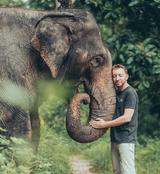
Ethical Elephant Retreats — A full day with rescued elephants in an ethical sanctuary near Chiang Mai. No riding, no performance, no forced contact — only genuine, unhurried presence with these animals in the forest. The experience is grounding in a way that's hard to explain and almost impossible to forget. You leave lighter, more connected, more yourself.
Private Transformation Sessions — A quiet afternoon in a garden, over tea. Deep conversation, emotional clarity, intuitive guidance. Especially meaningful for people in transition, burnout, or searching for what comes next. Baptiste has facilitated hundreds of these sessions for visitors from across the world.
Not traditional tourism. An experience of reconnection.
Explore Baptiste Excelsia experiences →
FAQ: Temple Etiquette in Chiang Mai
Can I wear shorts to temples in Chiang Mai?
No — shorts are not permitted inside Chiang Mai temples. Your knees must be covered. Most temples offer sarong rentals at the gate for 50 to 100 THB, but you're better off bringing your own lightweight scarf or sarong so you're never turned away.
What is the dress code for women visiting Chiang Mai temples?
Women must cover their shoulders and knees. Sleeveless tops, crop tops, and short skirts are not permitted. Women should also avoid making direct physical contact with monks — if you need to hand something to a monk, place it on a cloth or surface rather than passing it hand-to-hand.
Can I take photos inside Chiang Mai temples?
Photography is generally allowed in temple grounds and many interior spaces. However, always ask or observe before photographing monks during rituals or meditation. Some interior shrines display "no photography" signs — respect them. Put the phone away sometimes. The experience is better without it.
What does the Wai mean and how do I do it?
The Wai is Thailand's traditional greeting and gesture of respect. Press your palms together in front of your chest (like a prayer position), bow your head slightly, and hold for a moment. Use it when greeting monks, when entering or leaving a temple, or when passing a Buddha image. There's no way to do it wrong — the intention matters more than the form.
What are the best temples for first-time visitors to Chiang Mai?
Start with Wat Chedi Luang in the Old City — it's central, free, historically rich, and a perfect introduction. If you have one day, add Wat Phra That Doi Suthep on the mountain for the views and the golden chedi. For something quieter and completely different, Wat Umong (the tunnel temple) will give you a side of Chiang Mai most tourists never see.
Sources
- My own experience!
- Wat Phra That Doi Suthep — Tourism Authority of Thailand
- Doi Suthep-Pui National Park entrance fees from October 2025 — Chiang Mai Citylife
- Wat Chedi Luang — Chiang Mai Travel Hub
- Wat Phra Singh — Chiang Mai Travel Hub
- Monk Chat at Wat Suan Dok
- Doi Suthep Cable Car — RailTravel Station
Baptiste Excelsia