Yi Peng Spiritual Meaning: Understanding the Ceremony & Traditions in Chiang Mai, Thailand
The sky is dark. Then one lantern lifts. Then ten. Then thousands - until the entire night above Chiang Mai is breathing with light, each flame carrying a silent intention skyward. You're not watching a show. You're watching 700 years of Buddhist practice come alive around you.
Yi Peng is one of the most visually stunning festivals on earth, but its power isn't in the spectacle. It's in what the spectacle means: release, renewal, and the quiet courage it takes to let something go.
Key Takeaways
- Yi Peng is a Lanna Buddhist festival held on the full moon of the 12th month of the Lanna calendar - in 2026, that's November 24–25 (full moon: November 25)
- The spiritual core is non-attachment: releasing your lantern symbolizes letting go of negative karma, grudges, and suffering
- The most spiritually authentic experiences happen at temple ceremonies - not mass tourist releases
- Dress modestly, use biodegradable lanterns, and book organised events at least 6 months in advance
- Yi Peng and Loy Krathong share the same weekend - you can experience both in a single trip to Chiang Mai
What Is the Spiritual Meaning of Yi Peng?
Yi Peng spiritual meaning is rooted in Theravada Buddhism and the ancient Lanna Kingdom: releasing a khom loi (sky lantern) symbolises the letting go of misfortune, negative karma, and emotional burdens, sending them upward and away so the new year can begin with a lighter heart.
This is not a wish festival. Many visitors arrive hoping to write wishes on their lanterns - but the traditional practice is the opposite. You write what you want to release: a grudge, a fear, a grief, a habit. The lantern doesn't carry your desire into the universe. It carries away what no longer serves you.
That distinction matters. It shifts the entire experience from wanting more to becoming lighter.
The Buddhist Principles Behind the Lantern Release
Two core Buddhist concepts shape everything about Yi Peng.
Anicca - impermanence. Everything changes. The lantern rises, glows, and fades. So do seasons, relationships, emotional states, and the self. Watching a lantern disappear into the dark sky is a living meditation on this truth: nothing is permanent, and that is not something to mourn. It is something to accept.
Non-attachment. Suffering, in Buddhist teaching, arises from clinging - to people, outcomes, identities, and experiences. Releasing a lantern is a physical act of non-attachment. Your hands let go. Your eyes watch it leave. Something in you, if you allow it, lets go too.
The lantern's flame also represents the inner light of wisdom - the Buddha-nature that every person carries. When you release it into the sky, you are symbolically offering your highest self back to the cosmos, unencumbered.
Yi Peng Traditions and Ceremonies Explained
Yi Peng is not one event. It is a constellation of ceremonies, rituals, and community practices spread across Chiang Mai over two evenings - each with its own texture and intention.
Khom Loi: The Sky Lantern Release
Khom loi are the paper lanterns lit from below by a small flame or wax tablet. When the hot air fills the lantern, it lifts from your hands with a gentleness that surprises most people. You expect weight. You get levity.
Traditional practice: hold the lantern with both hands, close your eyes, feel the warmth, set your intention (what you are releasing), then open your hands. Don't watch to see where it goes - let it go completely.
At temple ceremonies, monks lead the release with chants that anchor the moment in genuine spiritual practice. At organised mass events, hundreds release simultaneously - which is visually overwhelming, but spiritually diluted.
Phang Pratheep: The Clay Lamp Processions
Before the lanterns rise, the streets and temple grounds come alive with phang pratheep - small clay oil lamps arranged in long, luminous rows. Monks and laypeople light them together as an offering of light to the Buddha and to the memory of ancestors.
Walking through a temple courtyard lined with these lamps, smoke curling upward, monks chanting in low tones nearby - this is the ceremony most visitors never see, because they arrive only for the lantern launch.
Merit-Making and Monk Blessings
During Yi Peng, temples open for extended merit-making: offerings of food, incense, and flowers to monks, followed by personal blessings. At Wat Phra Singh and Wat Chedi Luang, you can receive a personal blessing from a monk - a slow, quiet, extraordinarily human moment in the middle of one of the world's great festivals.
Merit-making during Yi Peng is considered especially powerful because the full moon amplifies spiritual energy in Lanna Buddhist tradition. Many locals plan their most significant offerings for this night.
Best Yi Peng Experiences in Chiang Mai 2026
Not all Yi Peng experiences are equal. Here is a clear breakdown by what you are looking for.
| Experience | Location | Best For | Cost | How to Book |
|---|---|---|---|---|
| Wat Chedi Luang Lantern Ceremony | Old City | Spiritual depth, authenticity | Free–mid | Temple FB or walk-in |
| Wat Phan Tao Free Release | Old City | Solo seekers, budget | Free | Walk-in evenings |
| Yee Peng Lanna International | Mae Jo (outside city) | Luxury, photos, couples | Luxury (3,000+ THB) | yeepenglannainter.com |
| Mae Ping River Krathong + Lantern | Chang Klan Rd | Couples, romance | Mid-range | Walk-in |
| CAD Mass Release at Yi Peng Village | Outside centre | Families, spectacle | Budget–mid | Book online via thailandhighlights.com |
| Meditation Workshop at Wat Lok Moli | Old City | Inner focus, solo | Free (donation) | Walk-in |
| Monk Blessing at Wat Phra Singh | Old City | Personal ceremony, meaning | Mid-range | Temple direct |
The insider's choice: Wat Lok Moli draws almost no tourists. The chants are longer, the crowd is local, the lantern release is intimate. If you want to feel Yi Peng rather than photograph it, go there.
Where to Experience Yi Peng in Chiang Mai
Chiang Mai's Old City is the spiritual heart of Yi Peng. The temples within the ancient walls - Wat Chedi Luang, Wat Phan Tao, Wat Phra Singh - have practised this ceremony for centuries. Walking between them on festival night, the air thick with incense and lamp smoke, is an experience that belongs to no guidebook.
Old City (Tha Phae Gate area): The most authentic zone. Free local releases, genuine temple ceremonies, monks chanting through the evening. It's crowded with motorbikes and tuk-tuks, but walk away from the main roads and it quiets quickly. Stay here if you want to walk to everything.
Mae Jo / Outside the City: More organised, more photogenic, more expensive. The big mass releases (including Yee Peng Lanna International and the CAD event) happen at venues outside the city centre - primarily near Mae Jo University. This is where the iconic images are taken - thousands of lanterns in a single burst. Spiritually thinner, visually extraordinary.
Mae Ping River: For the overlap with Loy Krathong. Float a krathong on the water, release a lantern above - water and sky, earth and air, a complete ceremony in a single spot. Serene at dusk, magical after dark.
Practical note: Traffic in Chiang Mai during Yi Peng is serious. Book accommodation in the Old City. Walk. Use songthaew (red trucks) only before 6 PM. After that, walk or accept that tuk-tuks will take 40 minutes to go two kilometres.
Yi Peng Costs and Pricing Guide
Yi Peng can cost you nothing or as much as you want to spend. Here's what you're actually paying for at each level.
| Level | Cost (THB) | What You Get |
|---|---|---|
| Free | 0 | Temple walk-ins, local releases, phang pratheep viewing |
| Budget | 200–500 | Street lanterns (buy biodegradable only), small group events |
| Mid-range | 500–1,500 | Organised releases with cultural context, some with food |
| Luxury | 3,000–8,000+ | Private ceremonies, VIP seating, monk blessings, dinner |
What's worth paying for: Organised events that include monk-led chanting and biodegradable lanterns. The ceremony context elevates the experience enormously. What's not worth paying for: premium prices for what is functionally the same mass release as a free one, minus the crowd.
Scam alert: Street vendors sell cheap wire-framed lanterns that are a fire hazard and, since 2024, banned under eco-regulations in Chiang Mai. Only use certified biodegradable paper lanterns - legitimate vendors and event organisers will make this clear.
2026 Dates, Booking and Logistics
Yi Peng 2026: November 24–25. The peak night is November 25 (full moon). Ceremonies begin at most temples from around 7 PM and run until midnight or beyond.
How far ahead to book: For Yee Peng Lanna International and any organised CAD mass release, book 6 months in advance. These events sell out. For temple walk-ins and local free releases, no booking needed - just arrive.
Getting there: Chiang Mai city centre is accessible by songthaew from most accommodation. For events outside the Old City, negotiate a songthaew return fare before you go (agree the pick-up time too - on festival nights, drivers are in high demand).
What to wear: Modest clothing is required at temples - shoulders covered, knees covered. Bring a thin shawl or wrap. Light layers are ideal: warm from the lanterns and crowds, cool when you step back from them.
Weather: Late November is the tail end of the cool season - generally clear, cool evenings. This is one of the most comfortable times of year in Chiang Mai.
Yi Peng Itinerary: How to Fit It Into Your Chiang Mai Trip
One day in Chiang Mai for Yi Peng:
- Morning: Explore the Old City temples (Wat Phra Singh, Wat Chedi Luang) to understand the setting before nightfall
- Afternoon: Rest - festival nights run late and the crowd density is intense
- Evening: Arrive at Wat Lok Moli or Wat Phan Tao by 6:30 PM for phang pratheep viewing
- Night: Walk the Old City moat for lantern releases, then head to the river for Loy Krathong floating
Three days in Chiang Mai for Yi Peng:
- Day 1: Temples, meditation, cultural context - slow immersion in Chiang Mai's Lanna heritage
- Day 2: Yi Peng ceremonies - full evening, walk the Old City, seek a monk blessing at Wat Phra Singh
- Day 3: Recovery, Doi Suthep at dawn, reflection journaling - let the experience settle
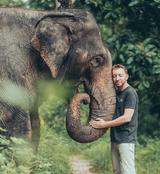
Week-long integration: Pair Yi Peng with ethical elephant sanctuary time earlier in the week. The two experiences rhyme: both ask you to release control, to be present, to feel something real in nature. One day in the forest with elephants followed by one night releasing lanterns into the sky creates a week with genuine emotional arc.
Common Mistakes and Essential Tips
Mistakes most visitors make:
- Arriving too early (the main releases don't begin until after 8 PM in most locations, and the sky needs to be fully dark)
- Buying cheap wire-frame street lanterns (fire risk, illegal, and the release is anticlimactic because they barely lift)
- Treating it like a photo opportunity rather than a ceremony (nothing wrong with photos - but point the camera down for five minutes and actually feel the moment)
- Skipping the temple phang pratheep processions to save time for the main release (the processional is often the most moving part)
- Turning back immediately after releasing the lantern (local tradition says you watch until it fades completely, then bow)
Before you go:
- Confirm 2026 dates close to the time - full moon dates occasionally shift confirmed event nights by one day
- Check the weather app - a strong wind grounds lanterns
- Download a Thai translation app for reading signage at smaller temples
- Carry cash - many temple donation boxes and street vendors don't take cards
Is Yi Peng Worth It? Spiritual vs. Tourist Perspective
This question has an honest answer: it depends entirely on how you approach it.
If you come for the photos: Yi Peng will deliver. The mass releases are among the most visually spectacular events on earth. The images are real, the moment is real, the awe is real.
If you come for the ceremony: Yi Peng will give you something much harder to photograph and much easier to carry home. A moment of genuine stillness. The sensation of letting something go. The odd lightness that follows.
The honest spiritual assessment: Mass tourist events are not inauthentic - they are simply incomplete. The Buddhist ceremony is present in every khom loi, regardless of how many tourists surround you. But temple ceremonies, monk chants, and the quiet phang pratheep processions give the lantern release its full context. Without context, it's a beautiful gesture. With context, it's a practice.
The people who leave Chiang Mai changed by Yi Peng are the ones who slowed down enough to feel it.
Frequently Asked Questions About Yi Peng
What does releasing a lantern at Yi Peng spiritually mean?
Releasing a khom loi at Yi Peng represents the Buddhist practice of non-attachment - physically letting go of negative karma, suffering, and emotional burdens. Traditionally, you write what you want to release on the lantern (not a wish, but something you want to let go of) before sending it skyward. The act is considered a form of merit-making that lightens the spirit and opens space for renewal.
When is Yi Peng 2026?
Yi Peng 2026 falls on November 24–25, aligned with the full moon of the second month of the Lanna lunar calendar. The peak release night is November 25 (full moon). Major organised events - including the Yee Peng Lanna International ceremony - open ticket sales months in advance, so book early.
What is the difference between Yi Peng and Loy Krathong?
Yi Peng and Loy Krathong share the same full moon weekend in Chiang Mai, but they are distinct traditions. Yi Peng is a Lanna (Northern Thai) Buddhist festival focused on sky lanterns released upward. Loy Krathong is a national Thai festival focused on floating banana-leaf boats (krathong) on rivers and waterways. In Chiang Mai, most visitors experience both in the same evening - lanterns into the sky, krathong onto the river.
What should I write on my Yi Peng lantern?
Traditional Buddhist practice suggests writing what you want to release - a grievance, a fear, a painful memory, a limiting belief - rather than a wish. The lantern carries it away. Some people write nothing at all and simply hold the intention in mind as they release. If you're at a temple ceremony, monks may guide you through this before the release begins.
Is Yi Peng safe for tourists?
Yi Peng is generally safe, but a few precautions matter. Only use certified biodegradable paper lanterns (wire-frame lanterns are a fire hazard and now banned in Chiang Mai). Dress modestly at temples. Book organised events to avoid counterfeit tickets. Expect serious traffic on festival nights - walk wherever possible, and arrange transport home before the crowds disperse.
What's the best Yi Peng experience for someone seeking spiritual depth?
For genuine spiritual immersion, skip the mass tourist releases and attend a temple-led ceremony at Wat Chedi Luang or Wat Lok Moli in the Old City. These events include monk chants, phang pratheep lamp processions, and lantern releases led by Buddhist clergy - giving the entire experience its full ceremonial context. Pair it with a meditation session beforehand for a complete evening of inner work.
Sources
- My own experience!
- Yi Peng Festival 2026 - KKday Guide
- Yeepeng Lanna International 2026 - Eventbrite
- Wat Chedi Luang - Wikipedia
Baptiste Excelsia